
COMPASSION AND JUSTICE
COMPASSION AND JUSTICE.
Many of us have a deep sense that the world is not as it should be. Broken relationships. Divided communities. Poverty and violence in our neighborhoods . . . The good news is that God longs to work through us to help restore things to the way they were intended to be. In the language of the Old Testament, this wholeness is called shalom—a state where nothing is missing and nothing is broken.
Redemption Church in Olathe is a group of Christians committed to seeing the people in our community holistically restored. We believe that God wants to restore us not only to right relationship with Himself but also with our own true selves, our families and our communities. Not just spiritually, but emotionally, physically, economically, and socially. Not by offering mercy alone, but by under girding mercy with justice.
To this end, we follow Jesus's example of love and reconciliation. We have built our church in the midst of some of Olathe's neediest residents. We pray that the work we do will allow us to become one with our neighbors until there is no longer an "us" and "them" but only a "we." And, in the words of the Prophet Jeremiah, "we work and pray for the well-being of our city [or neighborhood]," trusting that if the entire community does well and prospers, then we will prosper also.

Mandy Hill
Compassion and Justice Director

-
If poverty was a city, it would be the 5th largest city in the county; and the fastest growing city.
37,000 people, or 6.5% of the population, live with income below the federal poverty level ($11,770 for one person; $20,090 for three).
1 in 4 Johnson County census tracts have poverty rates of 10% or higher.
The majority of poor are white and U.S. citizens.
The majority of poor adults have at least some college education.
3 in 4 poor adults work at least part time or part year.
1 in 9 jobs in Johnson County pays an average hourly wage less than $10.
Estimates suggest that it requires a full-time hourly wage of $28 to meet basic needs for a single parent and two children.
-
Work and Wages in Johnson County
Work should offer a pathway out of poverty by providing an income that is sufficient to sustain a household, meet financial obligations, and save for short-term emergencies and long-term goals. Local data tell us that most of the working-age poor are doing just that – working. However, they do not work enough hours or earn high enough wages to rise above the poverty level. Often the jobs these workers hold pay low wages, offer only part-time or temporary work, may have unpredictable schedules and likely do not offer paid benefits such as sick leave. Nor do they offer an opportunity for advancement. As a result, the poor are working hard but not getting ahead.
The Working Poor in Johnson County
Nearly 1 in 6 poor adults worked full time, year round in 2014, according to the U.S. Census Bureau. And yet, even with full-time wages, their income fell below the federal poverty level. More than 6 in 10 worked part-time or part year. Only 24% did not work.
When Work Doesn’t Pay
According to data on wages paid by Johnson County employers, 1 in 9 jobs pay less than $10 an hour. Another 22% pay between $10 and $15 an hour. Together one-third of jobs in Johnson County pay less than $15 an hour, which is equivalent to $31,200 for full-time year-round work. Employment projections for the area suggest that the largest employment growth through 2022 will be predominantly low-wage occupations, such as sales clerk, restaurant worker, cashier, and personal care aide. Supporting a family and getting a secure foothold in life is challenging when job opportunities are concentrated in low-wage jobs.
-
Johnson County Facts:
If poverty was a city, it would be the 5th largest city in the county; and the fastest growing city.
37,000 people, or 6.5% of the population, live with income below the federal poverty level ($11,770 for one person; $20,090 for three).
1 in 4 Johnson County census tracts have poverty rates of 10% or higher.
The majority of poor are white and U.S. citizens.
The majority of poor adults have at least some college education.
3 in 4 poor adults work at least part time or part year.
1 in 9 jobs in Johnson County pays an average hourly wage less than $10.
Estimates suggest that it requires a full-time hourly wage of $28 to meet basic needs for a single parent and two children.
*U.S. Census Bureau, American Community Survey 1-year estimate, 2014
**Mid-America Regional Council, EMSI 3Q 2015
Compassion and Justice Staff
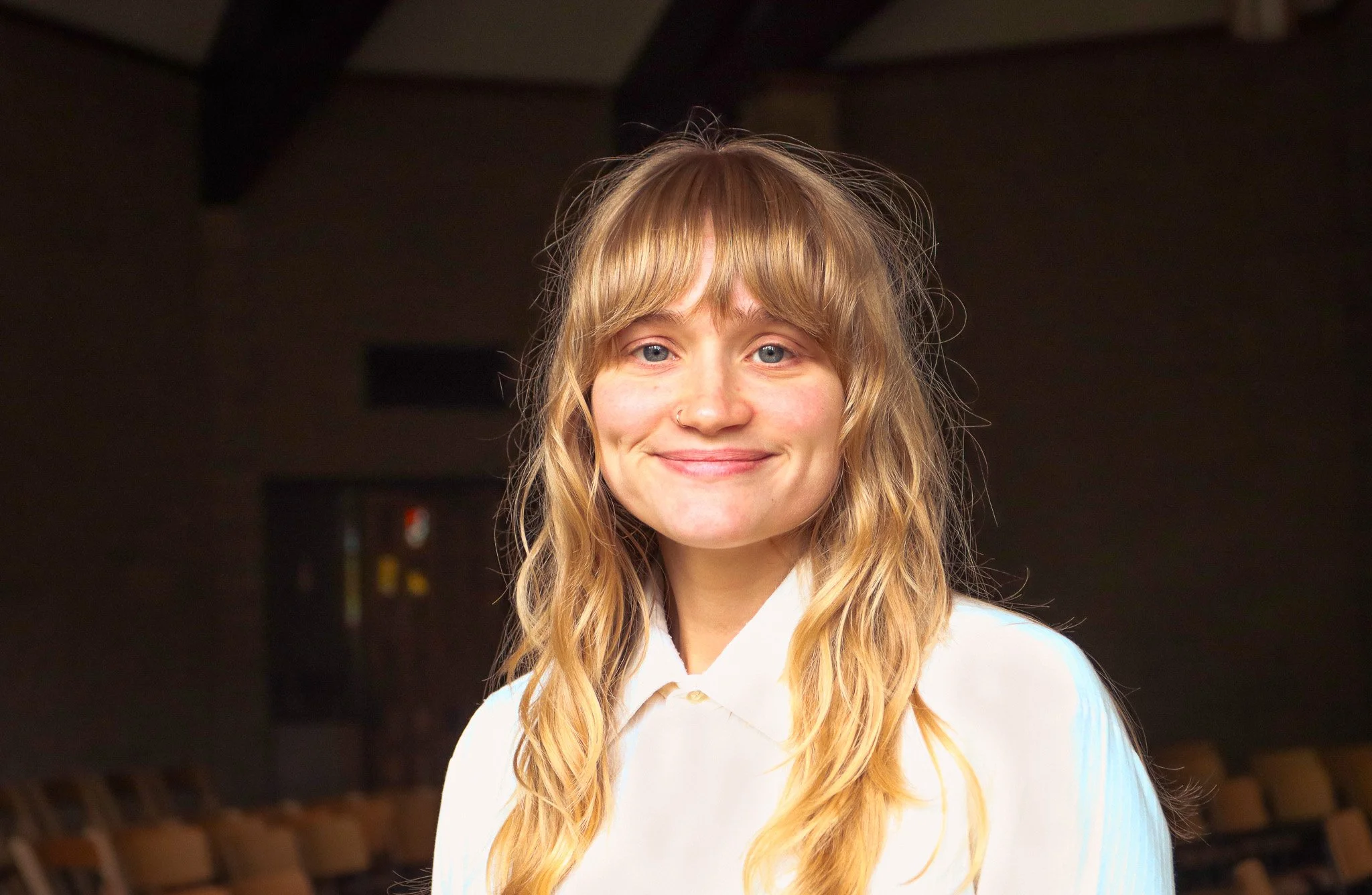
Amelia Kline
Compassion and Justice Assistant
Serve Together
-
![]()
Strengthening Families
The Strengthening Families Program (SFP) is an evidence-based prevention program for parents and children ages 3-5, 6-11, and 12-16 in higher-risk families. SFP consists of parenting skills, children's life skills, and family skills training courses taught together in fourteen 2-hour group sessions. The class is preceded by a meal that includes informal family time and group leader coaching.
-
![]()
Starkey Community Garden
Serve Together
It’s a place where neighbors can come together, shoulder to shoulder, plunge their hands into the soil, curse at weeds and share real-life stories like human beings have done for thousands of years while making the world a little bit greener, a little more beautiful, a little more flavorful, and a little more human.
-
![]()
Homeless Ministry
Serve Together
We have developed a homeless outreach program that offers rides to church and showers. Through this ministry, we have developed meaningful relationships with a group that, though marginalized by society, has become flourishing part of our congregation.
-
![]()
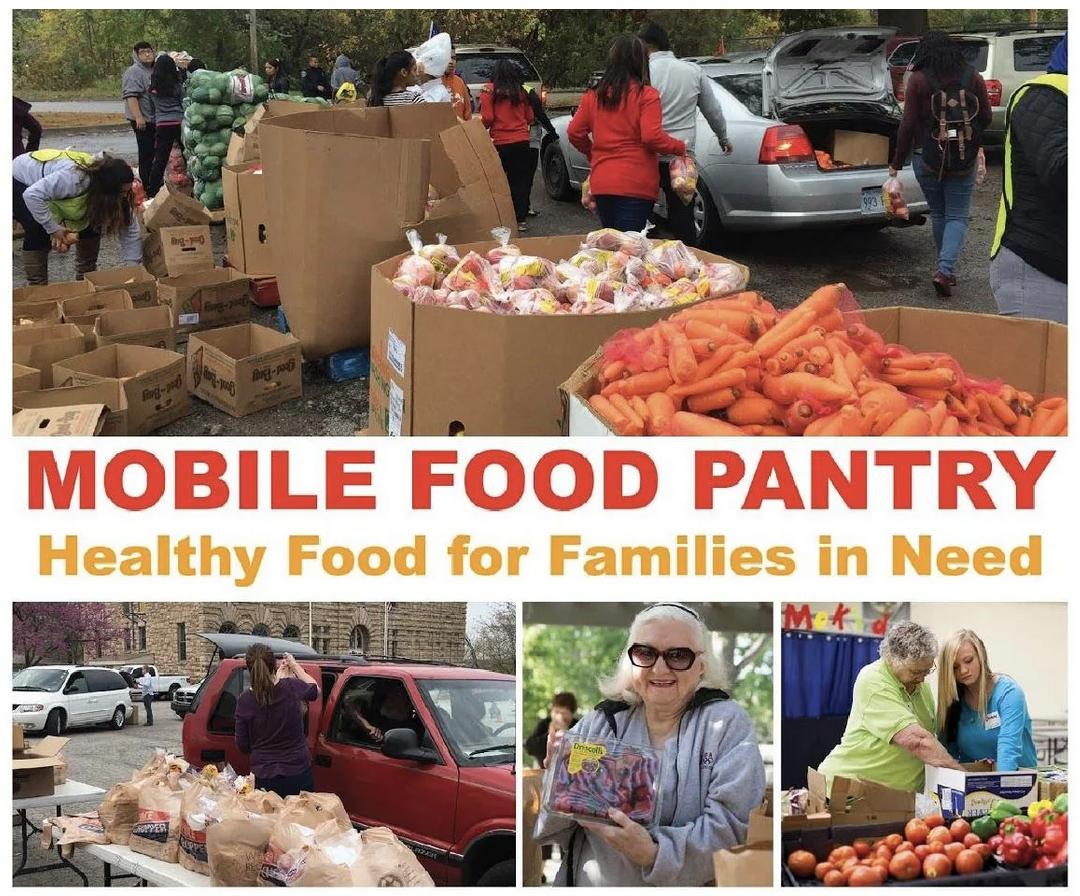
Harvesters Food Pantry
1st Saturday of the Month @ 1pm
@ Redemption ChurchIf the Olathe schools have a snow day on the first Friday of the month, there will be no food pantry. | No tendremos la despensa de alimentos si el distrito escolar de Olathe se cancela las clases el viernes anterior
-
![]()
Good Faith Network
Partnership
Redemption Church, along with 20 other faith congregations across Johnson County, have joined together to identify pressing problems in our community, and to press our leaders for solutions.
-
![]()
Project 1020
Partnership
Project 1020 is Johnson County’s only no barrier shelter and case management service for adults who are experiencing homelessness. We provide transportation to and from the shelter, a hot evening meal, and a grab-and-go breakfast in the morning. We’re a safe place to sleep and to receive care, compassion, and support.
-
![]()
School Mentoring Program
Partnership
A wonderful way to bring our community into the classroom is to volunteer to be a Youth Mentor at Ridgeview Elementary School. If you are interested in helping the kids in our neighborhood in this way please contact us below.